
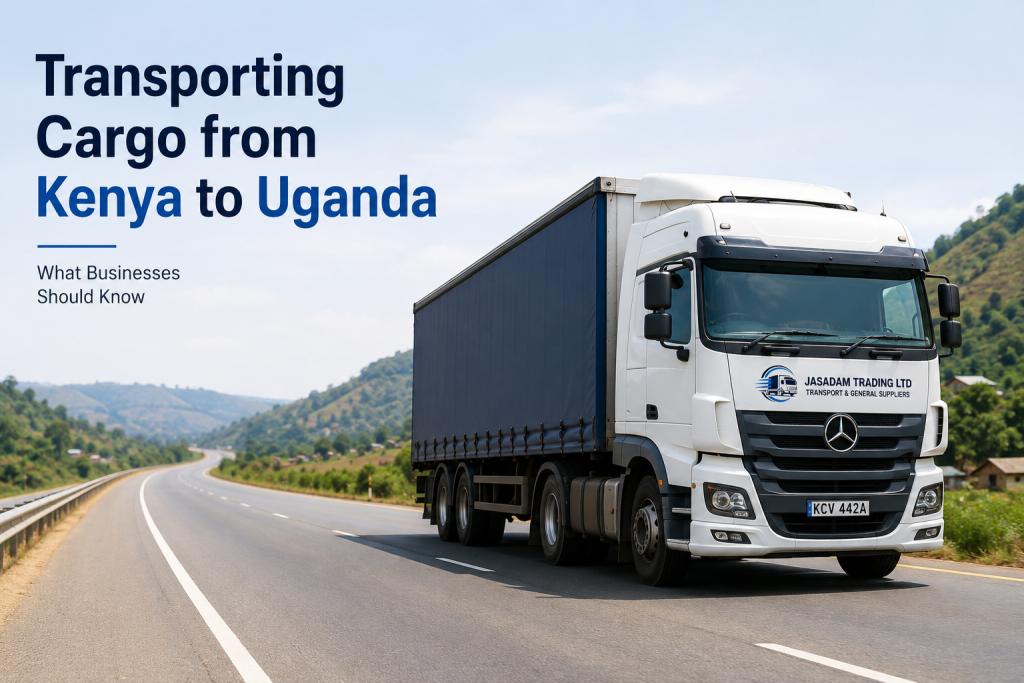
Kenya and Uganda share one of East Africa’s busiest trade corridors. Every day, thousands of tonnes of goods move between the two countries, supporting industries such as manufacturing, agriculture, construction, retail, and humanitarian aid. For businesses, transporting cargo across the border isn’t just about getting goods from one destination to another; it’s about ensuring shipments arrive safely, on time, and without unnecessary disruptions.
Whether you’re shipping regularly or planning your first cross-border delivery, understanding how the process works can help you avoid delays and keep your operations running smoothly.
Plan Your Shipment in Advance
Successful transport begins long before a truck is loaded. Knowing the type of cargo, delivery location, timelines, and documentation requirements helps avoid last-minute challenges.
Businesses should also communicate any special handling requirements, especially when transporting fragile, oversized, or high-value cargo.
Understand Border Procedures
The Kenya–Uganda route passes through one of the region’s busiest border crossings. While trade within the East African Community has simplified many processes, border procedures still require proper documentation and compliance.
Working with an experienced transport partner helps ensure cargo is prepared correctly before departure, reducing the likelihood of avoidable delays.
Choose the Right Vehicle
Not every shipment requires the same type of truck. Factors such as cargo volume, weight, and nature of the goods determine the most suitable vehicle.
Selecting the right equipment improves efficiency, protects your cargo during transit, and can help reduce transportation costs.
Consider Transit Time
Several factors, including traffic conditions, border clearance, weather, and the final destination within Uganda influence delivery schedules.
Planning realistic delivery timelines allows businesses to manage customer expectations while avoiding unnecessary pressure on transport operations.
Prioritise Cargo Safety
Protecting cargo throughout the journey is just as important as delivering it on time. Proper loading, secure fastening, and careful handling minimise the risk of damage during transport.
A professional logistics provider follows established safety procedures to ensure goods arrive in the same condition they left.
Communication Makes a Difference
One of the most important aspects of cross-border transport is staying informed. Regular updates provide confidence that shipments are progressing as planned and allow businesses to respond quickly if circumstances change.
Clear communication between the client and transport provider helps keep deliveries on track from collection to final destination.
Work With a Transport Partner That Knows the Route
Experience matters when moving cargo across borders. A logistics company familiar with the Kenya–Uganda corridor understands route planning, border procedures, and the operational challenges that can affect delivery schedules.
Choosing a transport partner with regional expertise helps reduce uncertainty and gives businesses greater confidence in every shipment.
At Jasadam, we provide dependable cross-border transport services connecting Kenya and Uganda as part of our wider East African logistics network. Whether you’re transporting general cargo, industrial materials, construction supplies, or commercial goods, we’re committed to delivering every shipment safely, efficiently, and on schedule.